

How Can a Dipped Taekwondo Hand Guard Improve Training Protection and Performance
For martial arts schools, distributors, and athletes seeking dependable hand protection, Panda Win offers the Dipped Taekwondo Hand Guard as a practical option for regular training and sparring. Its dipped construction, impact-absorbing foam core, ergonomic shape, and easy-clean surface help balance durability, comfort, and freedom of movement during demanding Taekwondo practice.
A Dipped Taekwondo Hand Guard is designed to help protect the hands and knuckles during repetitive striking drills, blocking exercises, and controlled sparring. Compared with conventional fabric-covered designs, a dipped exterior can offer a smooth, durable surface that is easier to wipe clean after training. However, protection also depends on the quality of the cushioning, fit, wrist support, and intended training intensity. This guide explains the main features, benefits, selection criteria, maintenance practices, and purchasing considerations that athletes and Taekwondo equipment buyers should evaluate before choosing hand guards.
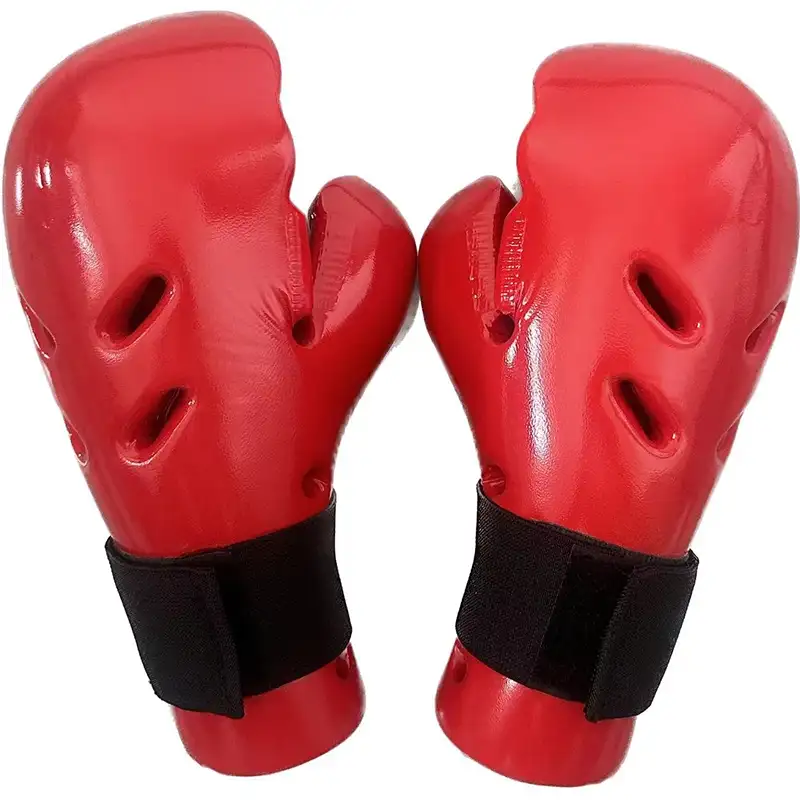
Table of Contents
- What Is a Dipped Taekwondo Hand Guard?
- Key Features and Practical Benefits
- Dipped Hand Guards vs. Conventional Hand Guards
- How to Choose the Right Hand Guard
- Training Applications and User Groups
- Cleaning, Maintenance, and Replacement
- What Buyers Should Confirm Before Ordering
- Frequently Asked Questions
- Conclusion
What Is a Dipped Taekwondo Hand Guard?
A Dipped Taekwondo Hand Guard is a protective accessory intended to cushion the hands during martial arts practice. In a typical dipped design, a protective coating surrounds a shaped cushioning structure, creating a smooth exterior that can withstand repeated handling and is convenient to clean. The internal padding helps absorb and distribute some impact forces, while the overall shape is designed to accommodate the hand during movement.
Taekwondo training involves more than kicking. Practitioners also perform defensive blocks, controlled hand techniques, partner drills, and exercises that place repeated demands on the hands. Suitable hand protection can improve comfort during these activities and help reduce direct contact between the hands and training partners.
For product-specific details, buyers should consult the Panda Win Dipped Taekwondo Hand Guard product page to confirm the available design, sizing, and ordering options.
It is important to understand that hand guards do not eliminate injury risk. Their effectiveness depends on the fit, cushioning, condition, training method, and suitability for the intended activity.
Key Features and Practical Benefits
1. Impact-Absorbing Cushioning
The cushioning layer is one of the most important elements of any martial arts hand guard. Properly designed foam helps distribute impact over a wider area rather than concentrating pressure at one point. This can improve comfort during repetitive drills and controlled contact exercises.
When assessing a product, buyers should consider the padding's thickness, resilience, coverage, and ability to retain its shape after repeated use. Excessively soft padding may compress too easily, while overly rigid padding can interfere with comfort and natural hand movement.
2. Durable Dipped Exterior
A dipped surface provides a practical outer finish for equipment that is frequently handled, stored, and exposed to perspiration. Its smooth texture can simplify routine cleaning and help protect the underlying structure from everyday wear.
Durability still depends on the coating formulation, manufacturing quality, storage conditions, and frequency of use. Buyers should inspect samples for peeling, cracking, exposed foam, or other visible defects before approving a bulk order.
3. Ergonomic Fit and Movement
Hand protection must work with the athlete's movements rather than restrict them. An appropriate shape should allow the fingers to assume a natural position and provide sufficient coverage around the intended impact areas. A secure fit also helps reduce unwanted movement during fast drills.
Before training, check whether the guard stays in position when the athlete opens and closes the hand, raises the arms, blocks, and performs controlled techniques. The guard should not cause excessive pressure, numbness, or restricted circulation.
4. Convenient Cleaning
Training equipment comes into contact with sweat, skin oils, and shared training environments. A smooth, wipe-clean exterior can make regular hygiene routines more manageable than surfaces that readily absorb moisture.
Cleaning convenience is especially useful for Taekwondo schools and clubs that maintain equipment for frequent use. Nevertheless, a wipe-clean surface does not make a hand guard self-disinfecting. Users should follow the manufacturer's care instructions and allow equipment to dry completely before storage.
Dipped Hand Guards vs. Conventional Hand Guards
Different hand guard constructions suit different users and training environments. The most appropriate choice depends on the balance between durability, fit, cushioning, breathability, and maintenance.
| Comparison Factor | Dipped Hand Guard | Fabric-Covered Hand Guard |
|---|---|---|
| Outer surface | Typically smooth and coated | Usually textile or synthetic fabric |
| Cleaning | Often easy to wipe clean | May require more attention to seams and fabric surfaces |
| Wear resistance | Depends on coating quality and construction | Depends on fabric strength and stitching |
| Breathability | Depends on ventilation and overall design | Fabric construction may allow greater airflow |
| Fit and flexibility | Depends on shape, padding, and fastening | Depends on fabric elasticity, pattern, and fastening |
| Best evaluation method | Inspect coating integrity, cushioning, and fit | Inspect seams, fabric condition, cushioning, and fit |
Neither construction is automatically superior in every situation. A well-made fabric guard may provide excellent comfort, while a well-made dipped model may offer convenient maintenance and a durable exterior. Buyers should evaluate actual product samples instead of making a decision based on construction type alone.
How to Choose the Right Hand Guard
Selecting appropriate hand protection requires more than choosing a color or the lowest available price. The following factors can help individual athletes and purchasing teams make a more informed decision.
- Size and coverage: Choose a size that fits securely and covers the intended areas without restricting movement.
- Cushioning quality: Examine the padding's resilience, thickness, and consistency across the protected areas.
- Wrist security: Check whether the fastening system keeps the guard stable during normal training movements.
- Material durability: Look for a consistent exterior finish and a structure that resists premature separation or deformation.
- Comfort: Test the product during appropriate low-intensity movements before using it for demanding drills.
- Training requirements: Match the guard to the school's rules, the practitioner's experience, and the intended contact level.
- Competition eligibility: Confirm that the product meets the current equipment requirements of the relevant governing body or event organizer.
For children and beginners, fit and ease of use deserve particular attention. Coaches should supervise equipment selection and confirm that each athlete understands how to wear and inspect the guard correctly.
Training Applications and User Groups
A Dipped Taekwondo Hand Guard may be considered for several training and purchasing environments, provided that the specific model is suitable for the activity.
Taekwondo Schools and Dojangs
Training centers need equipment that can withstand repeated use across scheduled classes. A durable exterior and straightforward cleaning routine can help staff maintain equipment between sessions. Schools should also establish clear inspection, cleaning, and replacement procedures.
Individual Practitioners
Students who train several times per week may value consistent fit, dependable cushioning, and convenient maintenance. Choosing a properly sized guard can help improve comfort during drills without unnecessarily limiting hand movement.
Clubs and Competitive Teams
Teams often need consistent equipment across multiple athletes. Before purchasing, coaches should check the required protection level, fit across the roster, and applicable competition rules. A product suitable for routine practice is not automatically approved for every tournament or sparring format.
Distributors and Wholesale Buyers
Retailers and martial arts equipment distributors should evaluate product consistency, available size ranges, packaging, delivery arrangements, and the supplier's ability to communicate specifications clearly. Requesting samples before a large order can help verify fit, finish, and overall workmanship.
Cleaning, Maintenance, and Replacement
Regular maintenance helps keep protective equipment in usable condition. Even a durable dipped exterior can deteriorate when exposed to improper cleaning agents, prolonged moisture, or repeated mechanical stress.
- Inspect before use. Check the coating, padding, fastening components, and overall shape for damage.
- Wipe after training. Use a soft cloth and a cleaning method approved by the manufacturer.
- Allow complete drying. Keep the guard in a well-ventilated area away from excessive heat and direct sunlight.
- Store properly. Avoid compressing the padding under heavy equipment or leaving the guard in a damp, enclosed bag.
- Replace damaged equipment. Retire guards with exposed or degraded padding, cracks, loose components, or a fit that can no longer be secured.
Do not assume that a guard remains protective simply because its exterior still looks acceptable. Internal cushioning may deteriorate with use. When the equipment's condition is uncertain, seek advice from the supplier or replace it before further contact training.
What Buyers Should Confirm Before Ordering
For wholesale and institutional purchases, confirming specifications before production or shipment helps reduce avoidable mismatches. Buyers can use the following checklist when communicating with a supplier.
| Purchasing Item | Questions to Ask |
|---|---|
| Product construction | What materials are used for the outer coating and inner cushioning? |
| Size range | Which sizes are available, and how should users select the correct fit? |
| Color options | Are standard colors available, and can custom colors be requested? |
| Branding | Can the supplier accommodate custom logos or packaging? |
| Quality checks | What inspections are performed for coating, padding, and fastening quality? |
| Order requirements | What are the minimum order quantity, lead time, and sample arrangements? |
| Compliance | Is documentation available to verify suitability for the intended training or competition? |
These questions help buyers compare suppliers using clear, verifiable criteria rather than relying on general claims about quality. For a school or distributor, sample approval and written confirmation of the agreed specifications are useful steps before committing to a larger purchase.
Frequently Asked Questions
1. What is a Dipped Taekwondo Hand Guard used for?
It is designed to cushion and protect the hands during suitable Taekwondo training activities, including controlled drills and some forms of sparring. Its suitability depends on the specific design, fit, padding, and rules governing the activity.
2. What are the advantages of a dipped exterior?
A dipped exterior typically provides a smooth, durable finish that is convenient to wipe clean. Actual resistance to wear, cracking, and peeling depends on the materials and manufacturing quality.
3. How should I choose the correct size?
Follow the supplier's sizing guidance and assess the guard on the athlete's hand. It should remain secure during movement while avoiding excessive pressure, restricted circulation, or uncomfortable gaps in coverage.
4. Can dipped hand guards be used in official Taekwondo competitions?
That depends on the exact model and the competition's current equipment rules. Confirm approval or eligibility with the event organizer or relevant governing body before purchasing equipment for official competition use.
5. How often should a hand guard be replaced?
There is no universal replacement interval for every model. Inspect the equipment regularly and replace it when the padding is compressed or damaged, the exterior deteriorates, the fastening becomes unreliable, or the guard no longer fits securely.
6. What should wholesale buyers ask Panda Win before ordering?
Buyers should confirm available sizes, materials, color options, customization possibilities, minimum order quantities, sample availability, lead times, and any relevant product documentation directly with Panda Win. These details should be verified for the specific order rather than assumed.
Conclusion
Choosing the right Dipped Taekwondo Hand Guard means balancing cushioning, fit, durability, hygiene, and the requirements of the intended training environment. For individual practitioners, a secure and comfortable fit is essential. For schools, clubs, and distributors, consistent specifications, practical maintenance, and reliable supplier communication are equally important. Panda Win provides a starting point for buyers exploring dipped hand protection for Taekwondo. Review the product details, confirm the requirements for your application, and contact us to discuss product specifications, available options, sample requests, and wholesale purchasing needs.