

Which Gym Cardio Machine Suits Your Members Best: Treadmill, Rower, Stair Climber or Elliptical Trainer?
Guide to Popular Gym Cardio Machines: Treadmill, Rowing Machine, Stair Climber and Elliptical Trainer
Cardio equipment forms the core of every commercial gym. Treadmills, rowing machines, stair climbers and elliptical trainers are four widely used cardio options, yet many gym users cannot clearly tell their differences in movement patterns, targeted muscle groups, training intensity and joint stress. Choosing the right machine helps users hit fitness goals ranging from endurance improvement, fat burning to body shaping while lowering injury risks. As a fitness equipment manufacturer with years of experience serving gyms and training facilities, Pandawin Sports recommends matching each machine to your members' experience levels and physical conditions.
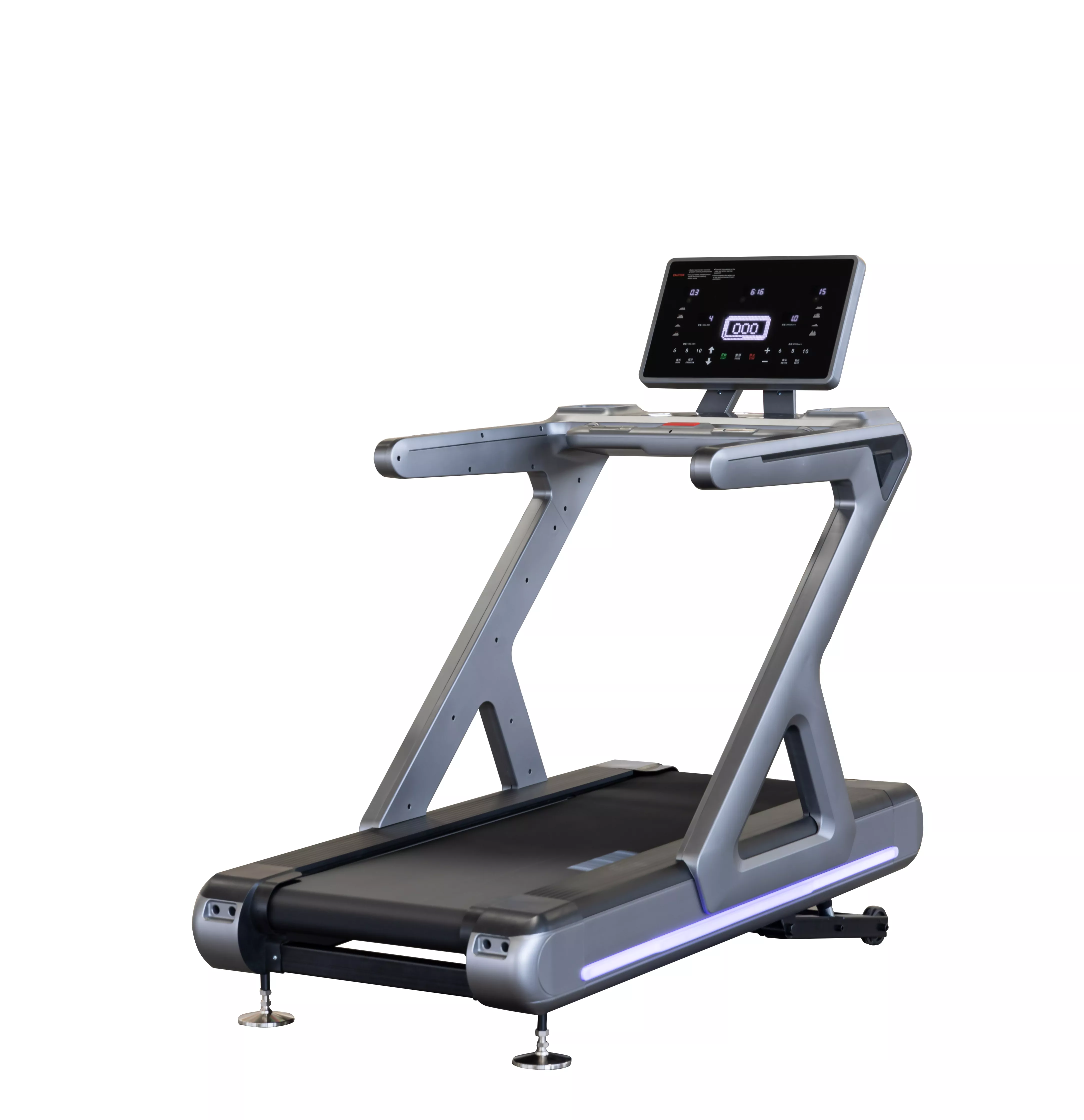
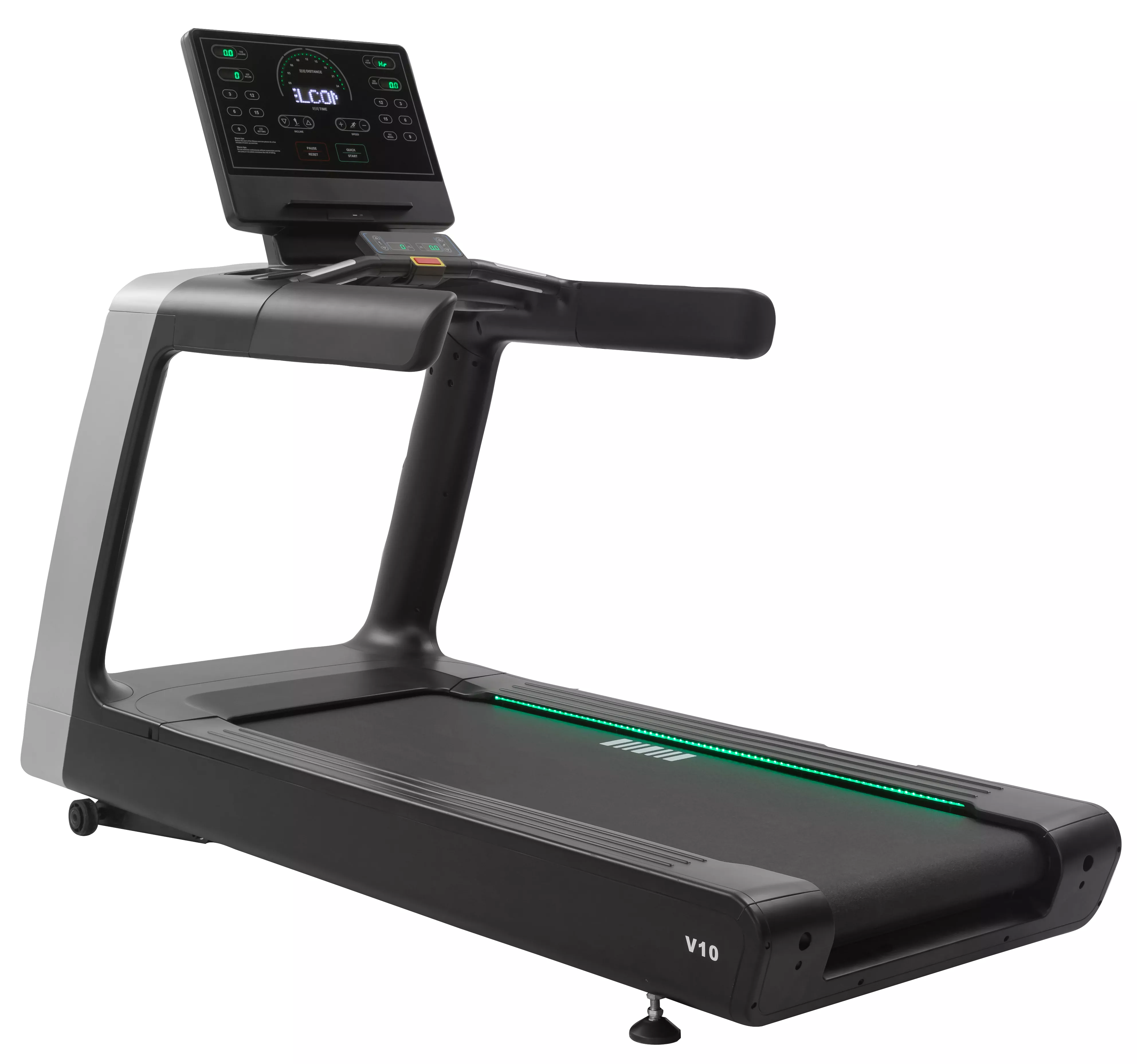
Treadmill
The treadmill is the most universal cardio machine, simulating natural walking, jogging and running indoors. Users adjust speed and incline to replicate flat roads, uphill trails and various workout modes including steady-state jogging and high-intensity interval training. It mainly engages thighs, calves and glutes, effectively boosting cardiopulmonary fitness and total-body calorie consumption. Treadmills support a broad intensity range, suitable for absolute beginners up to competitive runners. Most commercial units adopt cushioned running decks to ease impact, though running still creates noticeable pressure on knees and ankles. Overweight users or people with existing joint issues should prioritize brisk walking instead of frequent high-speed running.
Rowing Machine
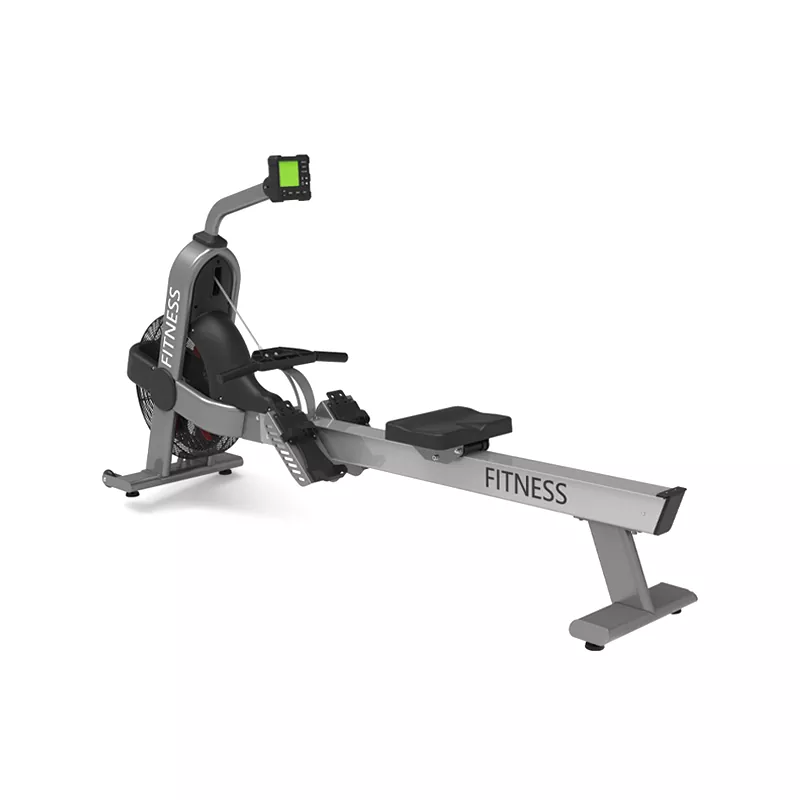
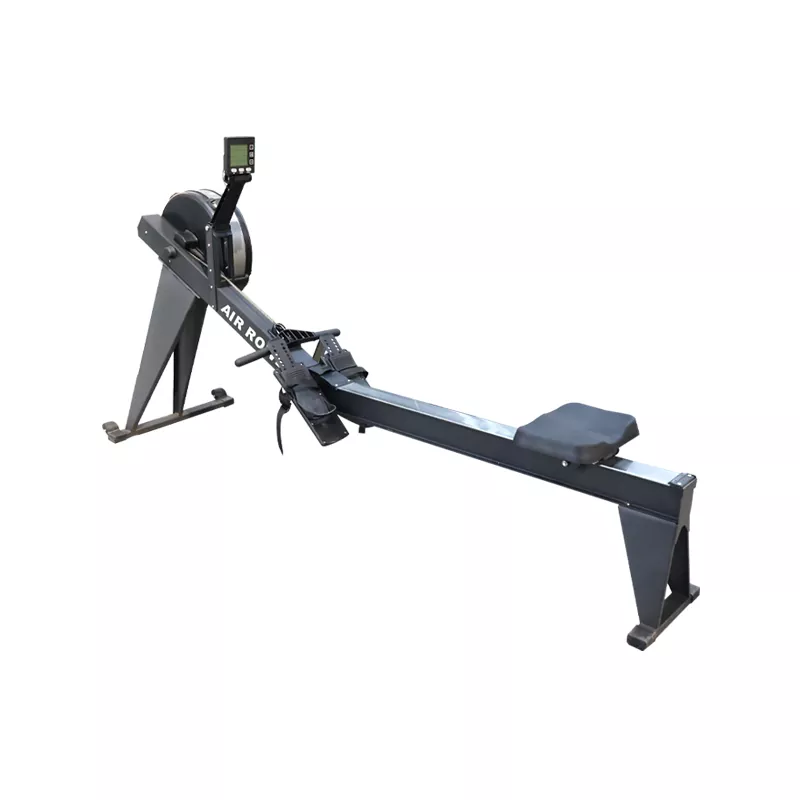
Unlike the common misunderstanding that it only works the arms, the rowing machine delivers genuine full-body cardio training. A complete stroke follows the power sequence: legs drive first, then hip hinge, back engagement and final arm pull. This movement activates legs, core, lats, shoulders and arms at the same time, combining aerobic fat loss and basic strength conditioning. Rowing generates minimal joint impact for knees and ankles. However, correct form plays a decisive role in training safety. Rounded back posture or arm-dominated pulling will place excessive load on the lower back and trigger strain. New users need to master standard stroke mechanics before turning up resistance levels.
Stair Climber
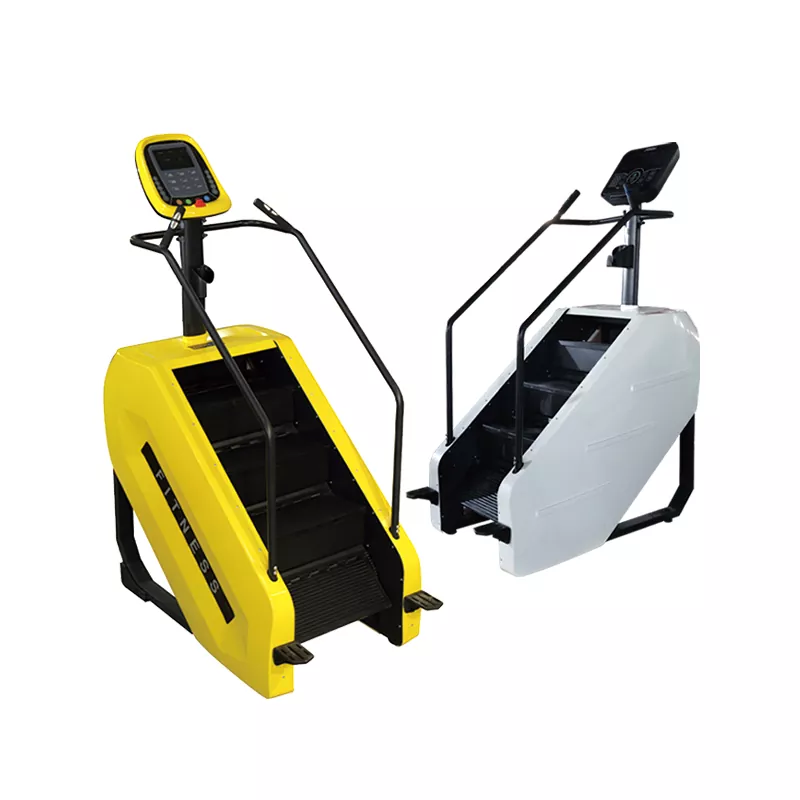
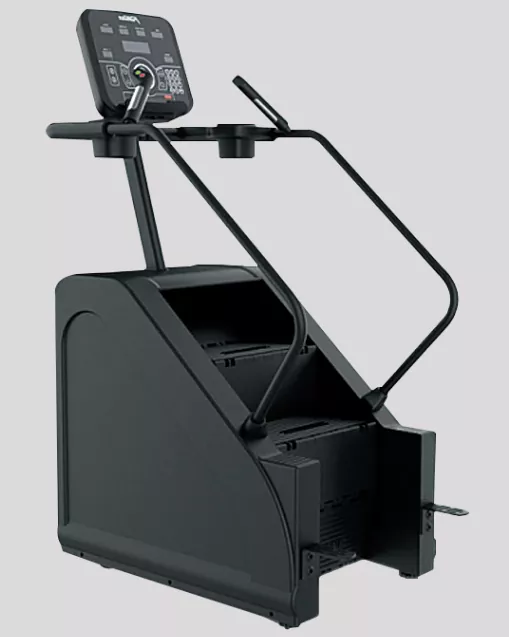
The stair climber replicates continuous stair-climbing motion to deliver high-intensity lower-body cardio. It heavily targets glutes, quadriceps, hamstrings and calves, bringing outstanding shaping effects for hips and legs. It delivers efficient calorie burn within short workout periods and greatly enhances lower-body endurance and cardiopulmonary capacity. This machine brings relatively high intensity. Vertical stepping creates considerable stress on knee joints. Anyone suffering knee discomfort should avoid long-time sessions. Users need to keep upright torso posture and avoid leaning fully on handrails, which would reduce training effectiveness and increase spinal compression.
Elliptical Trainer
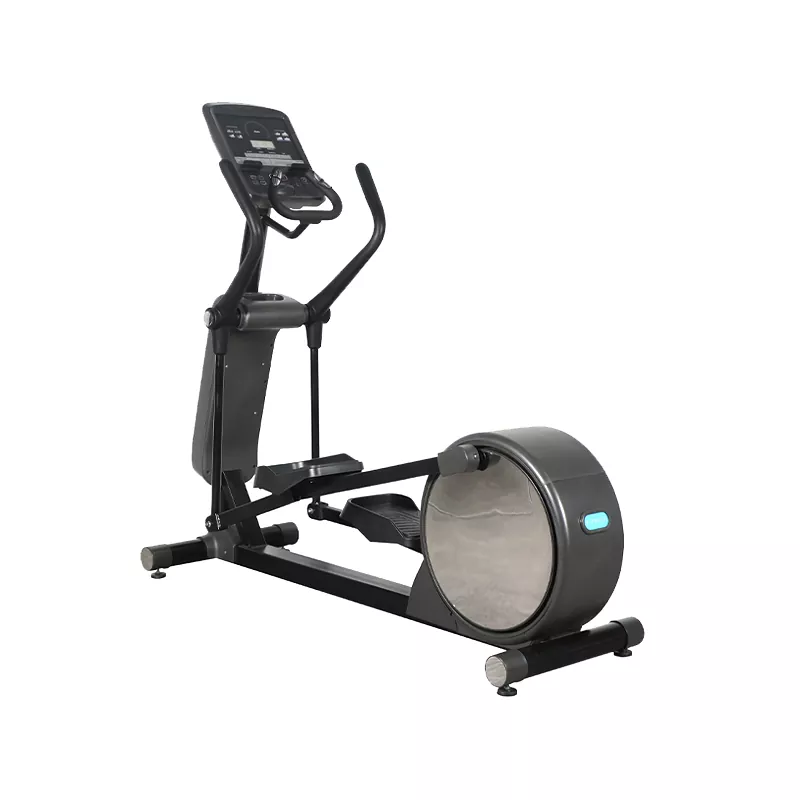
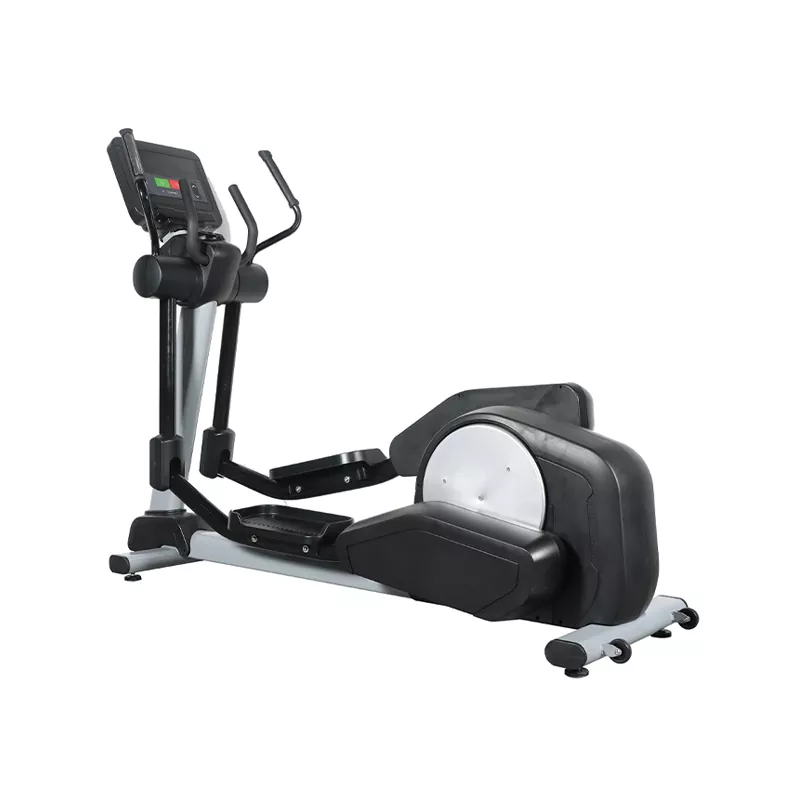
The elliptical trainer provides low-impact full-body exercise with synchronized hand-foot movements. Pedals move along smooth elliptical tracks while movable handles drive upper-body motion. It works glutes, thighs and calves, meanwhile exercising shoulders, back and arms. It serves as a perfect substitute for walking and running. There is nearly zero pounding force transmitted to joints, making it knee-friendly for rehab training, seniors and members recovering from minor injuries. Its drawback lies in the upper limit of achievable intensity; it is harder to reach maximum heart rate compared with treadmills or stair climbers. It performs best for long steady-state aerobic workouts.
Key Takeaways for Selection
Pick treadmills if you prefer walking or running and want access to the highest intensity levels. Go for rowing machines when you expect full-body engagement with low joint impact and you are willing to learn proper technique. Choose stair climbers for efficient hip-leg shaping and short-duration high-calorie-burn sessions. Select elliptical trainers for joint-safe steady cardio and post-injury recovery work. Each machine carries its own strengths. The best choice always depends on personal fitness objectives, physical conditions and training preferences. For gym operators, a balanced cardio floor usually includes at least two or three of these options to serve different member needs.