
What Those Ounce Numbers on Your Boxing Gloves Actually Mean?
What Those Numbers on Your Gloves Actually Mean
Ever stand in front of the glove rack and wonder if those ounce numbers actually matter? They do. A lot. But most of the advice online is either written by people who've never thrown a punch or bots trying to sell you something. Let's fix that.
First, the basics: we measure gloves in ounces (oz). One oz is about 28 grams. You'll spend 99% of your time looking at 8oz to 16oz. Anything smaller (4oz, 6oz) is for kids. Anything bigger (18oz, 20oz) is for specific rehab or old-school conditioning. Ignore them for now.
The rule is simple: Bigger number = More padding = Heavier glove. Smaller number = Less padding = Faster hands, but it feels like you're hitting with a brick. There is no "best" size. It's about what fits your body and how much you plan on hurting your sparring partners.
4oz & 6oz: The Kids' Table
These are for children (roughly 4–12 years old). They're tiny and light. Great for a kid's showcase, terrible for you.
Do not use these for adult sparring. I don't care how small you are. The padding is a joke. Use these on a heavy bag or a grown adult, and you're going to the ER or the chiropractor. Probably both.
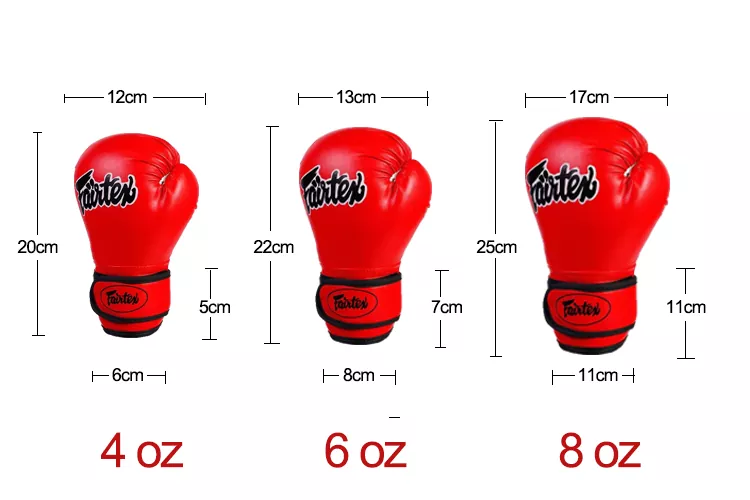
8oz: The Pro Look (Don't Touch)
If you watch boxing on TV, you see 8oz gloves. They're slim, they're sexy, and they let pros throw lightning-fast punches. They also have almost no padding.
Unless you're a seasoned pro doing very light technical drills, stay away. They will rattle your brain and your partner's. Most amateur leagues ban them for sparring anyway—you'll need 10s or 12s. And if you're a beginner? Putting these on a heavy bag is a great way to sprain your wrist in under five minutes.
10oz: For the Technicians
10oz gloves are the sweet spot for fighters who know what they're doing. They're faster than 12s but way less brutal than 8s.
If you're under 70kg and have your form dialed in, these are perfect for amateur bouts and technical sparring. You get that "connected" feel without turning every jab into a concussion. Just don't try to go full power on the heavy bag with these; the padding won't save your knuckles.
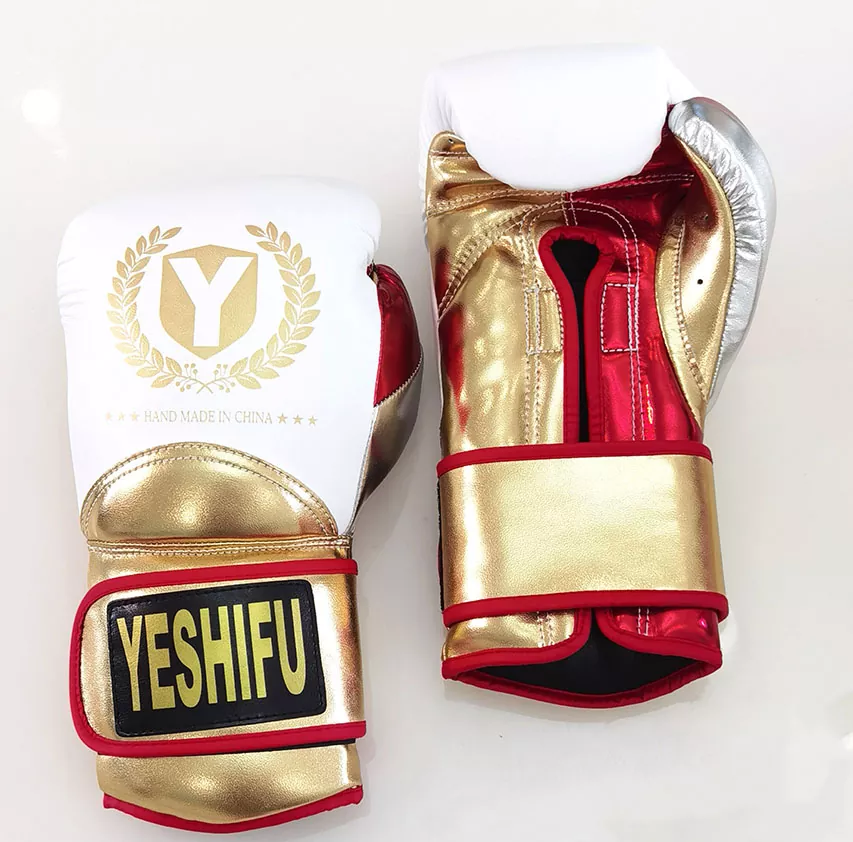
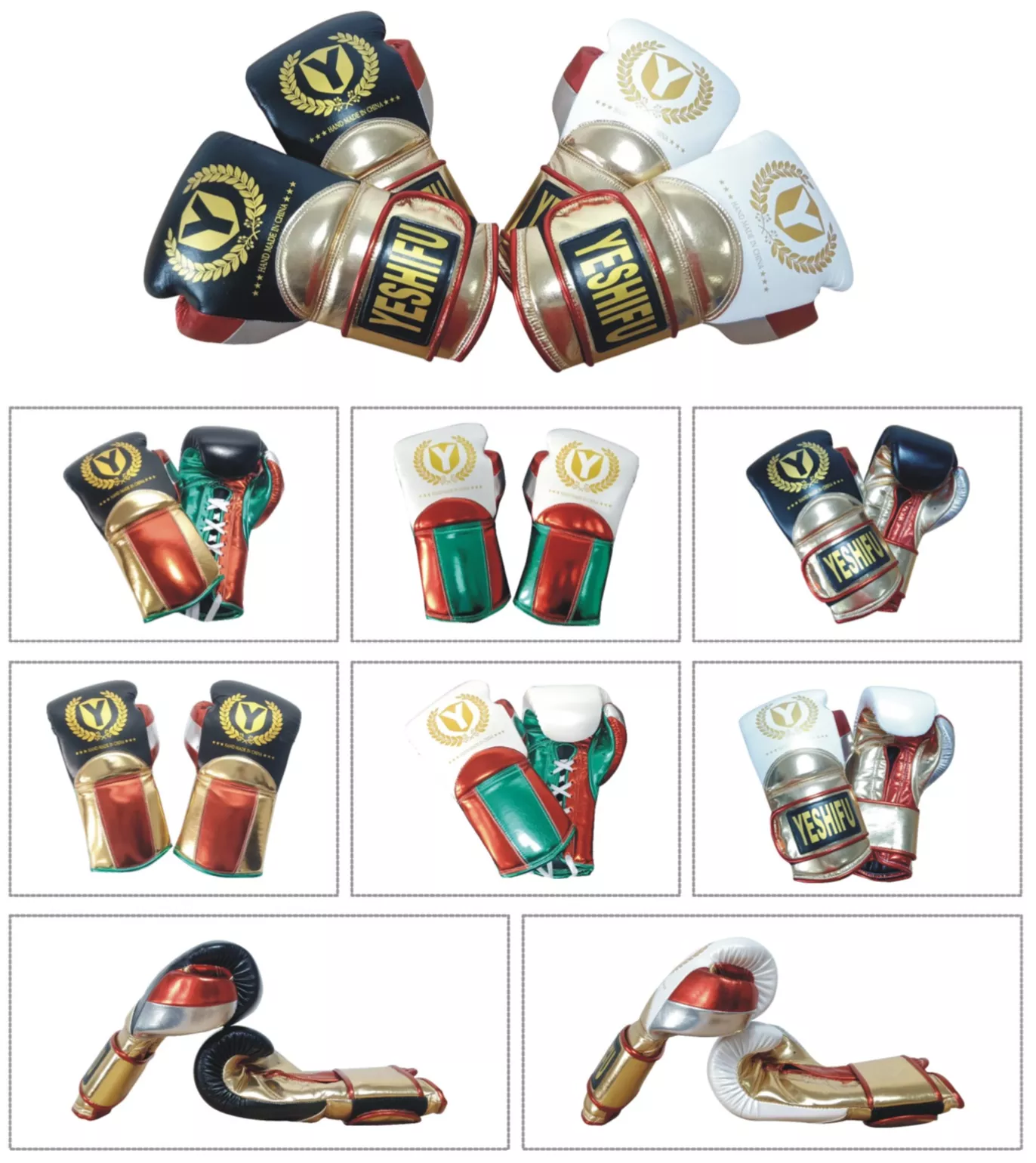
12oz: The Gym Workhorse (Start Here)
If you're buying your first pair of gloves, stop reading and buy 12oz.
They are the Swiss Army knife of the gym. Enough padding to keep your wrists and your partner's face intact, but not so heavy that your shoulders quit halfway through round three. If you weigh between 70kg and 85kg, this is your size. It's the most common glove in any commercial gym for a reason—it just works for bag work, pads, and light sparring.
Hard hitters might eventually move up to 14s, but until then, 12s are your best friend.
14oz: For the Big Boys and Hard Hitters
Once you cross 85kg, or if you naturally punch like a sledgehammer, 12s start to feel a bit thin. 14oz gloves have thicker padding, which your sparring partners will thank you for after a long session.
Plus, the extra weight is a sneaky way to build shoulder endurance. Be warned, though: if you're a newbie, starting with 14s will mess up your form. You'll start "pushing" your punches instead of throwing them, and you'll develop bad habits that take months to fix.
16oz: The Safety Pillow
These are the tanks of the gym. Most coaches won't let you do full-contact sparring without them. The padding is huge, which means you can go harder without breaking someone's nose or your own hand.
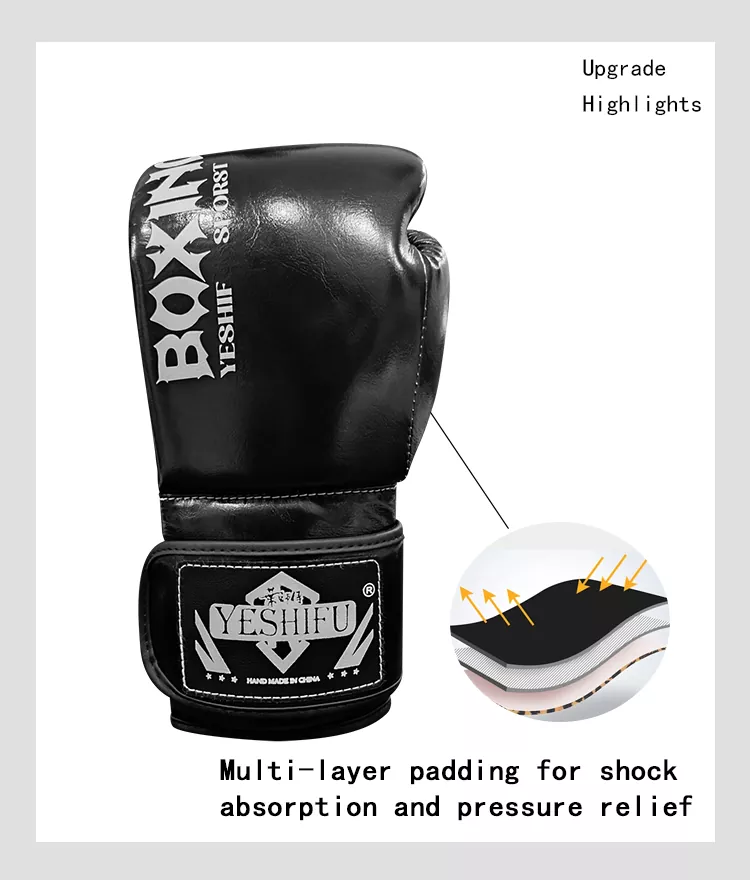
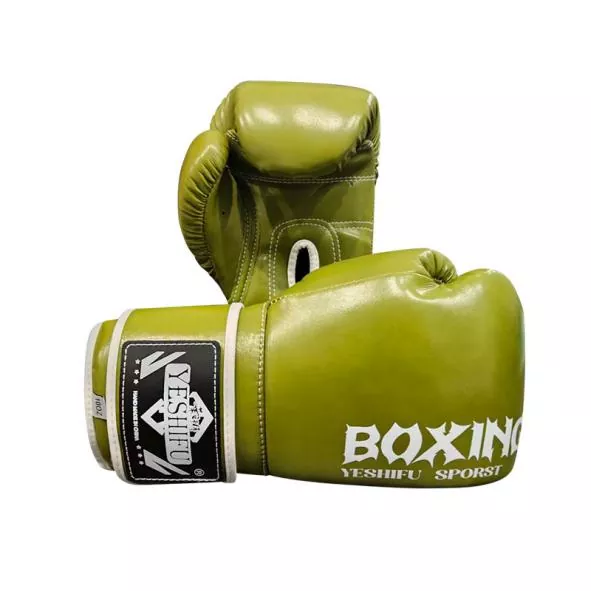
They're also great if you're coming back from a hand injury or your joints are feeling beat up. The downside? They're slow. Throwing fast combinations is a grind, and they'll gas your arms out fast. We use these to keep each other safe, not to win a speed contest.