
What Complete Protective Gear Set Do Beginners Need for Boxing, Muay Thai and MMA Training?
Boxing & Combat Sports Protective Gear Guide
1. Boxing Headguard
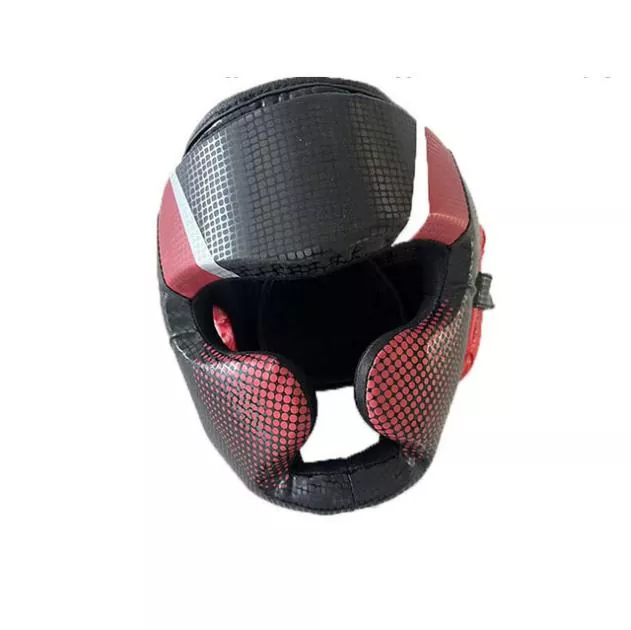
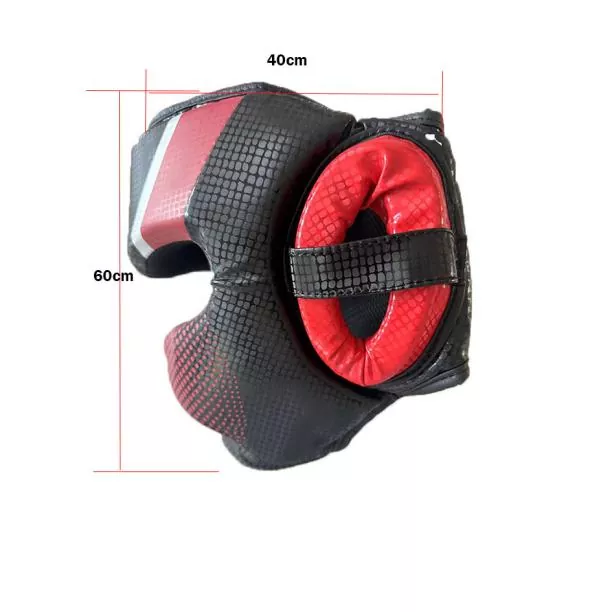
Headgear covers the forehead, temples, cheeks, jaw and ears to soften hard impacts during sparring. It does not protect the back of the head. Three practical styles are commonly used: open-face, full-face, and cheek-protection designs. Based on feedback from professional coaches, youth and amateur boxers should prioritise cheek-protection models to reduce facial abrasions and impact injuries. Pandawin Sports recommends checking hook-and-loop fasteners and padding before every session to prevent shifting during training.
2. Mouthguard
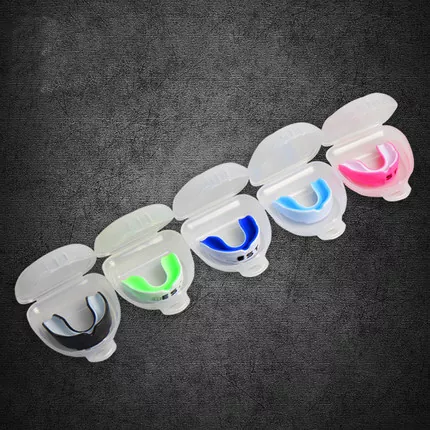
A mouthguard is non-negotiable for every sparring session. It cushions sharp impacts to teeth, gums and jaw joints, preventing broken teeth and painful joint strain. Beginners often underestimate its importance, but experienced coaches agree that no mouthguard means no contact training. Thermoformable mouthguards are recommended for a customised fit that stays stable during movement. Fighters who train frequently should keep at least two spares.

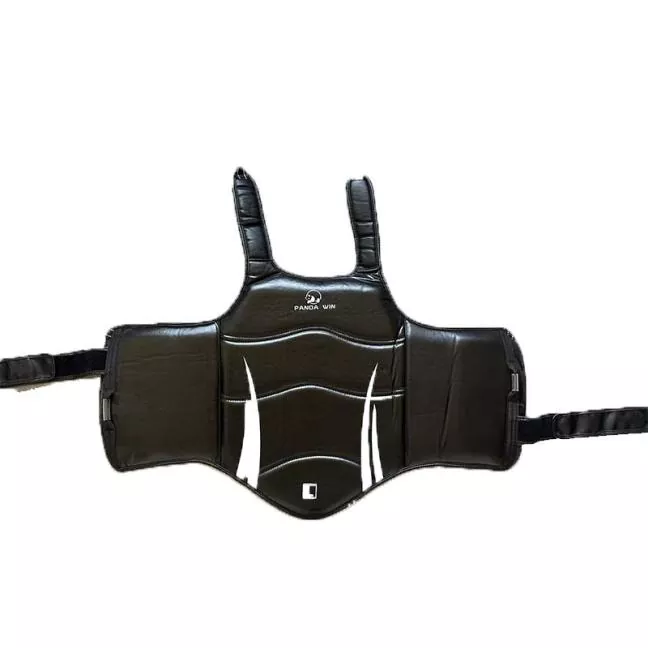
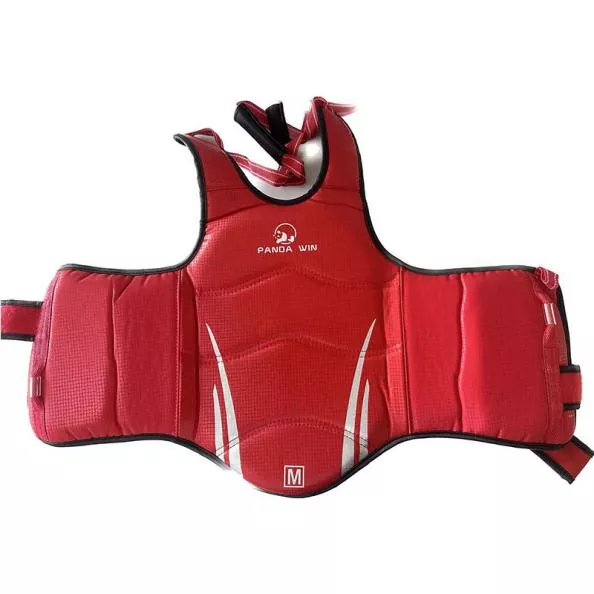
3. Chest Guard / Body Protector
Most commonly worn by youth and female boxers, this guard shields the chest, collarbone and rib area. It absorbs heavy body shots and lowers the risk of bruising and injury during intense training. Amateur competition rules often require body protectors for female and youth divisions. Coaches advise checking fit and breathability: a loose guard will shift, while an overly tight one restricts breathing and movement.
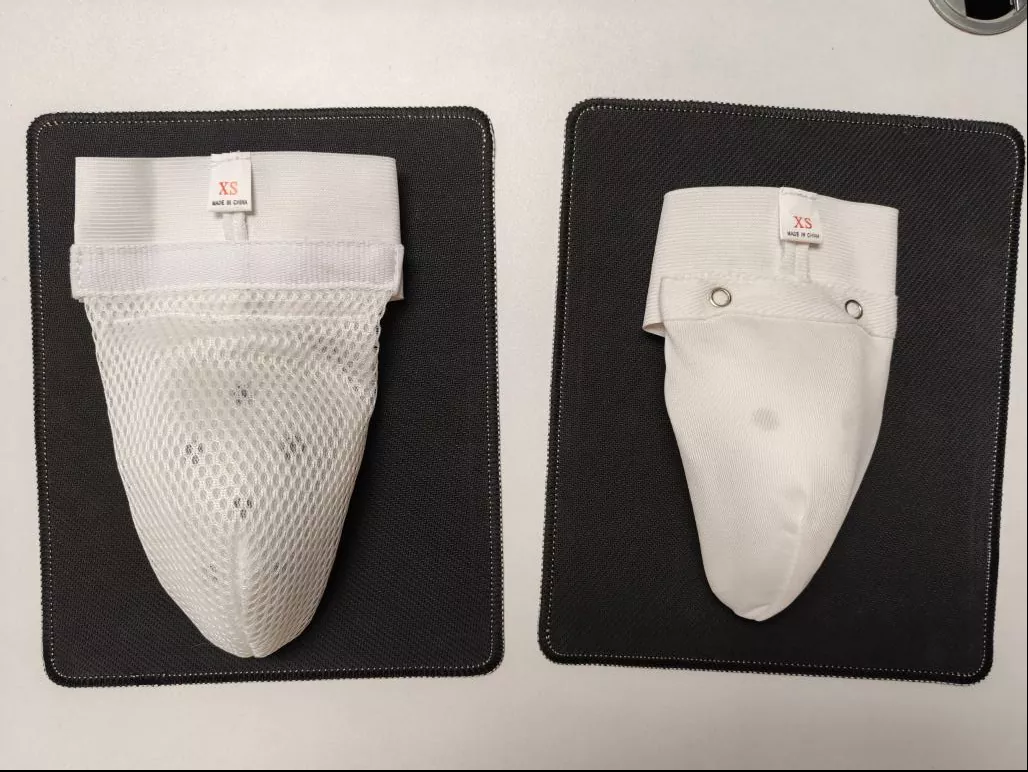
4. Groin Guard
Critical safety gear for all male fighters. It protects the groin and lower abdomen from accidental low blows, and it is mandatory under nearly all combat sport competition rules. Some athletes skip wearing one due to discomfort, but that creates serious risk. Pandawin Sports recommends ergonomic cup designs with elastic straps that provide protection without limiting leg mobility.
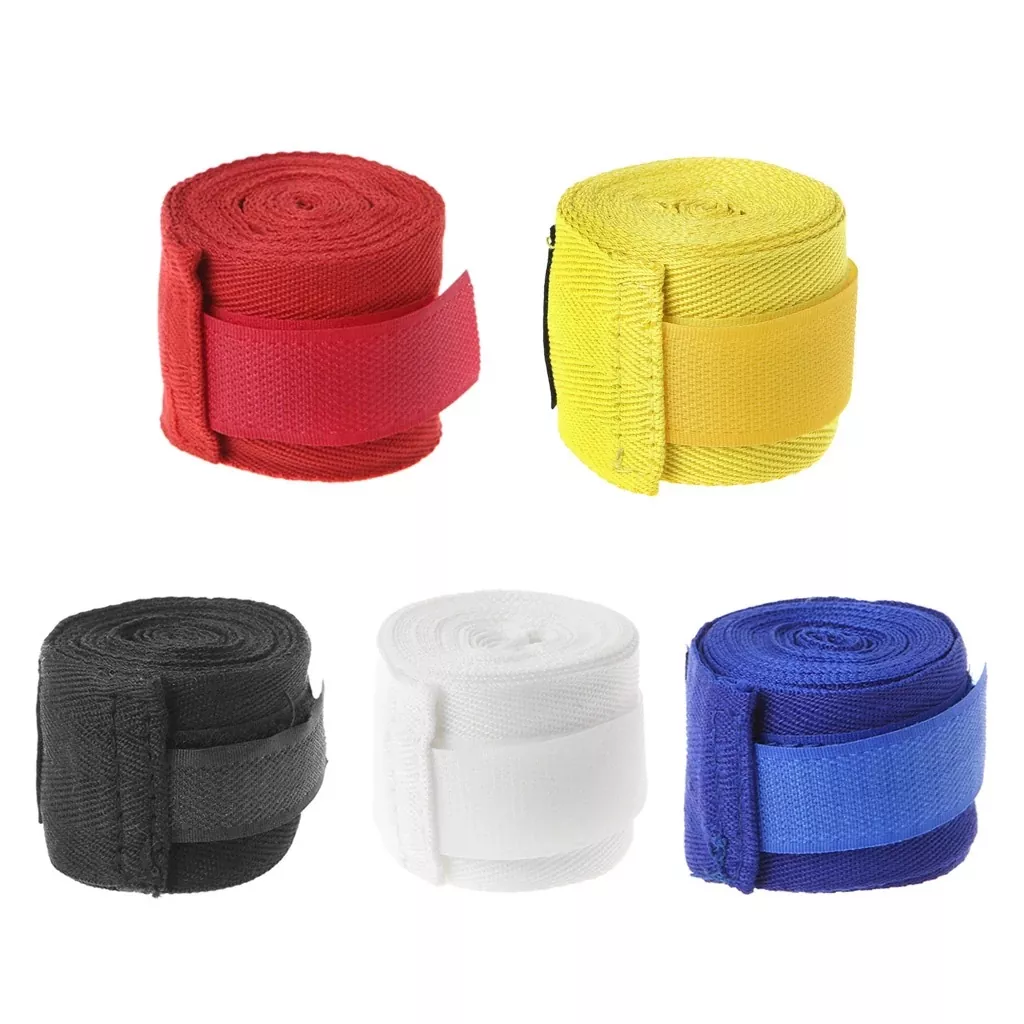
5. Hand Wraps
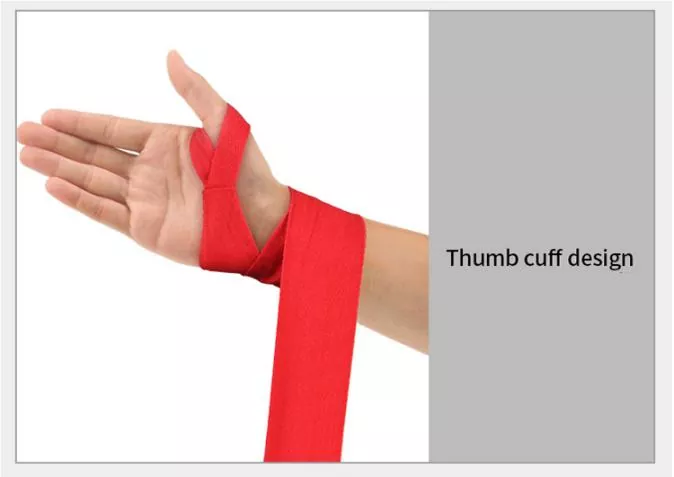
Often overlooked by beginners but extremely important. Wraps stabilise wrists, palms and finger ligaments, locking the hand structure tight to avoid sprains and bone contusions with every punch. We recommend elastic-blend wraps with moderate stretch. Adults typically use 4.5-metre wraps, while youth and female athletes may prefer 3.5 metres. Wash and air dry wraps after each session to prevent bacteria build-up and odour.
6. Boxing Gloves
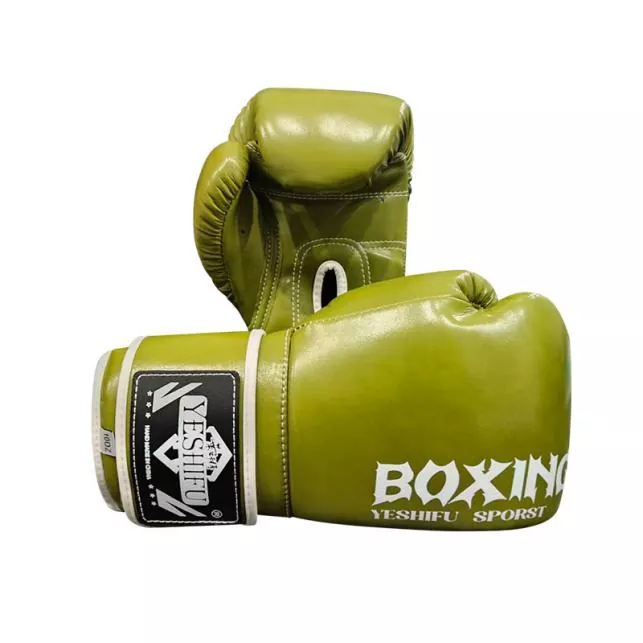
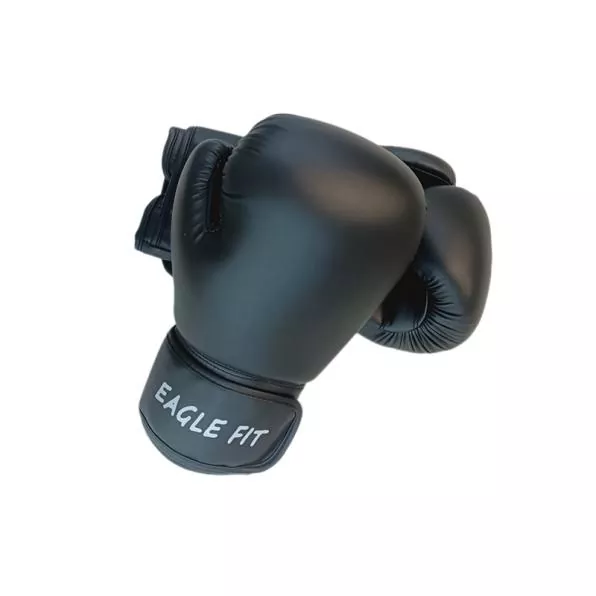
Gloves work both ways — they protect your knuckles and palms from injury, while also softening the striking impact for your training partner or opponent. Training gloves are heavier (14–18 oz) for bag work and sparring, while competition gloves are lighter (8–10 oz). Choosing the right weight depends on body weight, training goals and coach recommendations. Never choose extra-light gloves for heavy bag training.
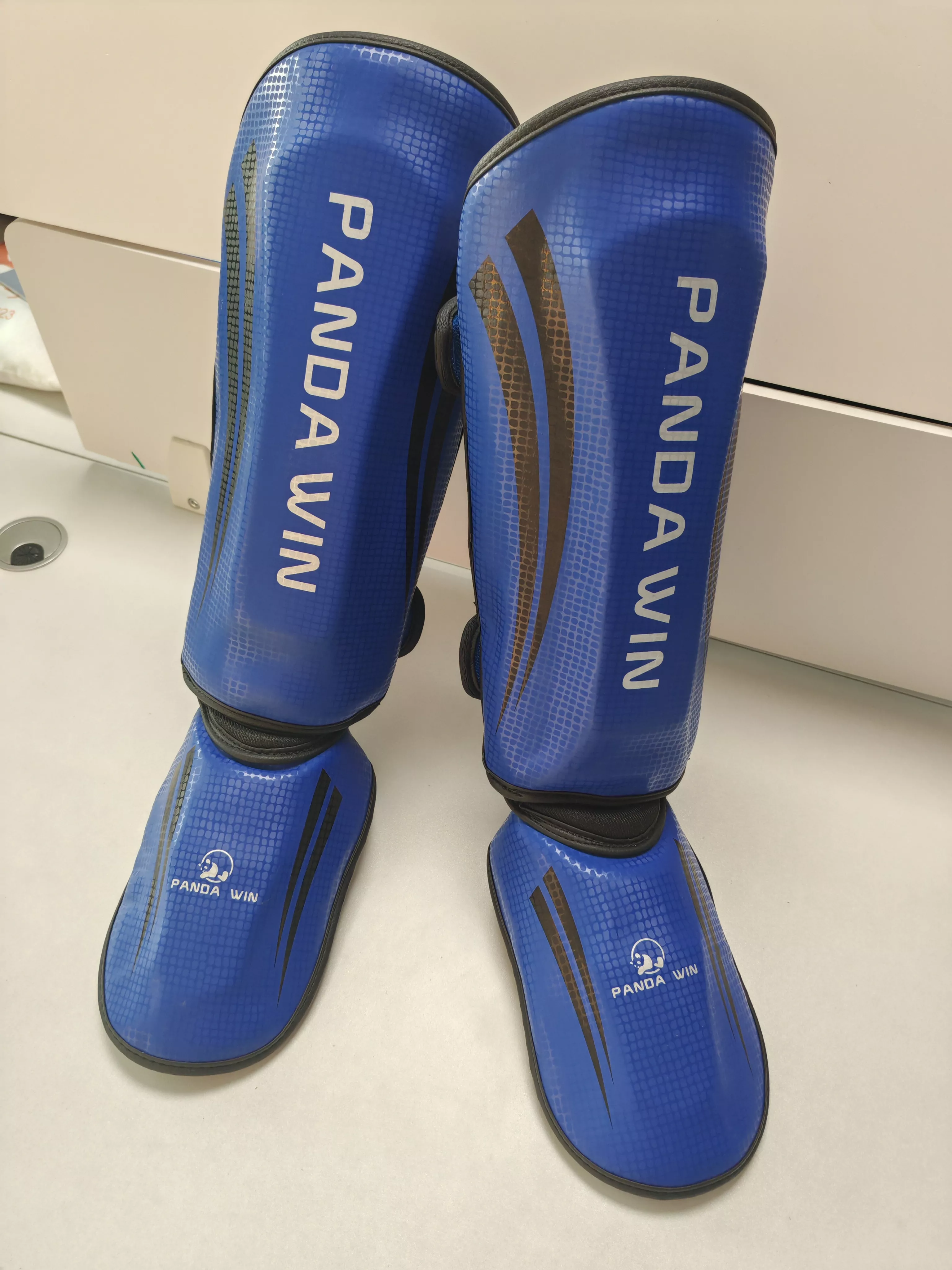
7. Shin Guards
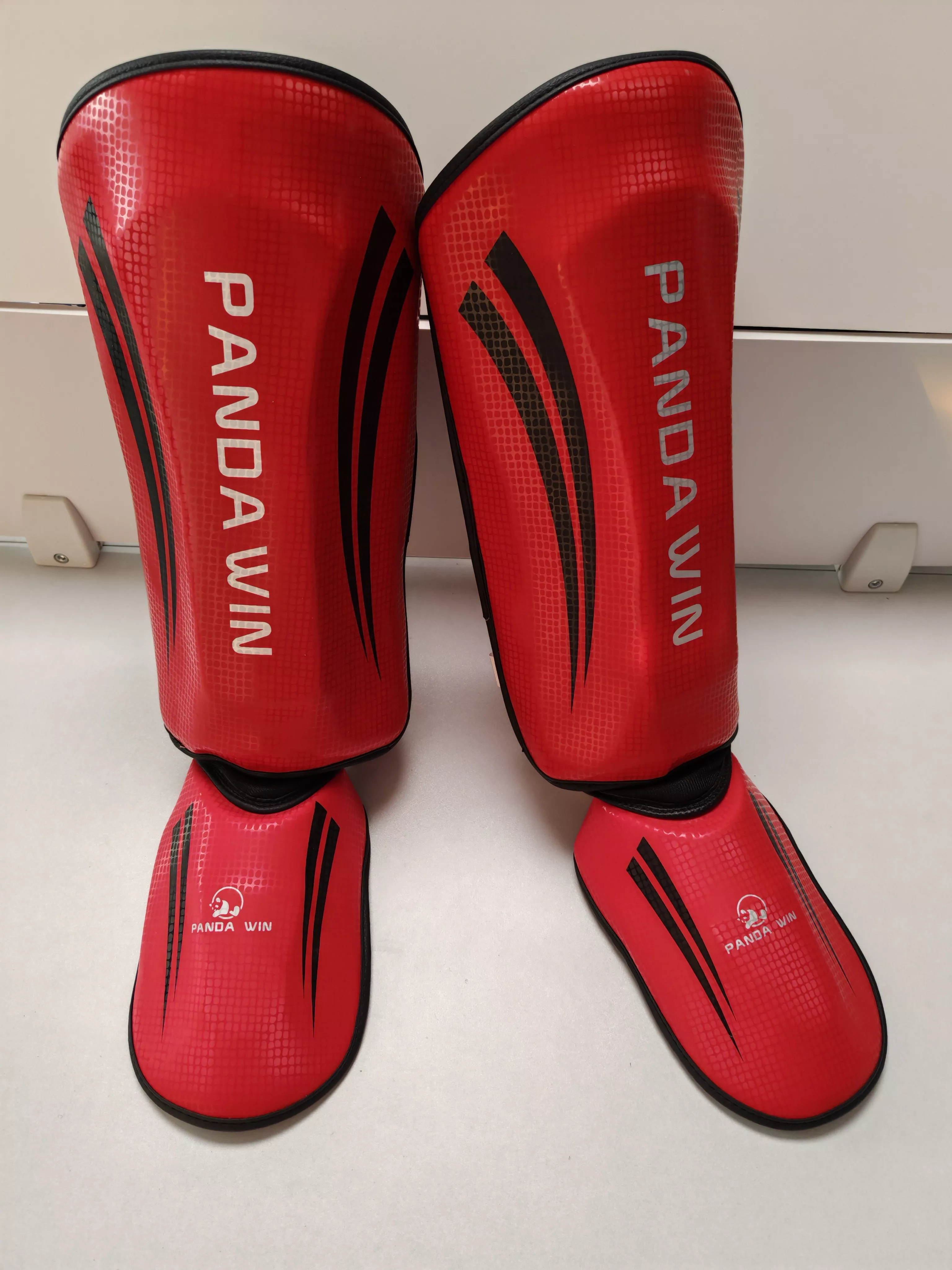
Standard protective gear for Muay Thai and kickboxing, covering the shin bone and instep. Because traditional boxing bans kicking techniques, shin guards are unnecessary for pure boxing training. For Muay Thai, kickboxing and MMA athletes, we recommend thick foam padding with adjustable hook-and-loop straps for a secure fit.
8. Elbow Pads
Mostly used in MMA and kickboxing to shield elbows during close-range striking and clinching. They are rarely seen in pure boxing gyms. In ground fighting and cage clinch situations, elbow pads significantly reduce the risk of elbow abrasions and impact injuries.
9. Knee Pads
Knee pads deliver cushioning and joint support, ideal for MMA grappling and ground work. They serve almost no purpose in standard stand-up boxing training. If you also participate in MMA or Brazilian Jiu-Jitsu, knee pads are a worthwhile investment.
Trainer Safety Equipment
Trainer safety equipment is as important as athlete gear. Holding pads for hours can cause cumulative stress on wrists, arms and the body. Professional training targets help distribute impact force and extend a coach's career.
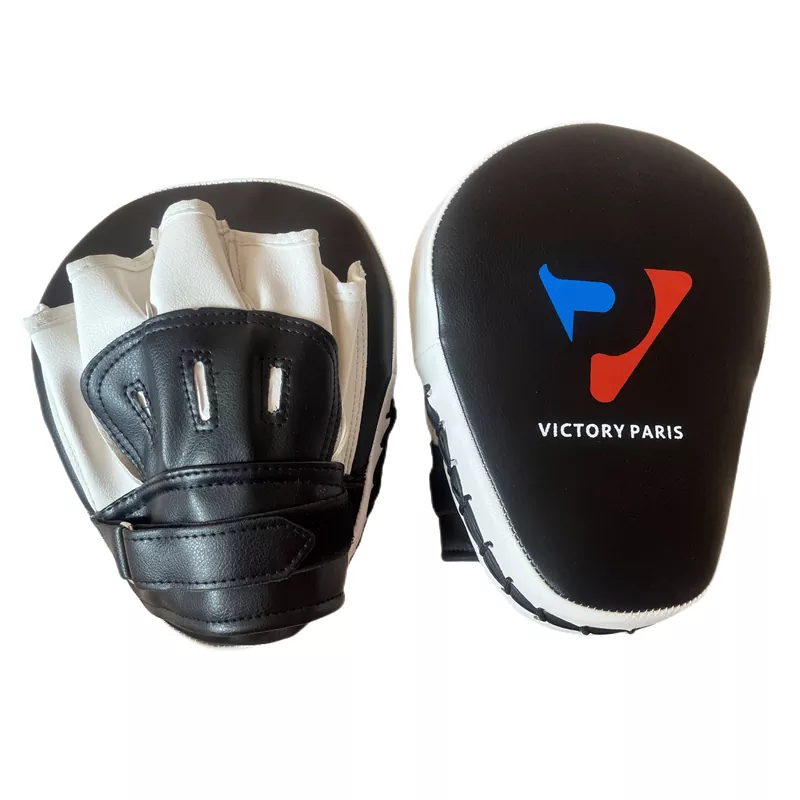
1. Focus Mitts
Lightweight and shock-absorbent, focus mitts protect trainers’ palms and wrists while allowing precise, fast-paced punch training. Choose models with thick padding and a curved shape that fits the hand. Inspect stitching regularly for signs of wear.
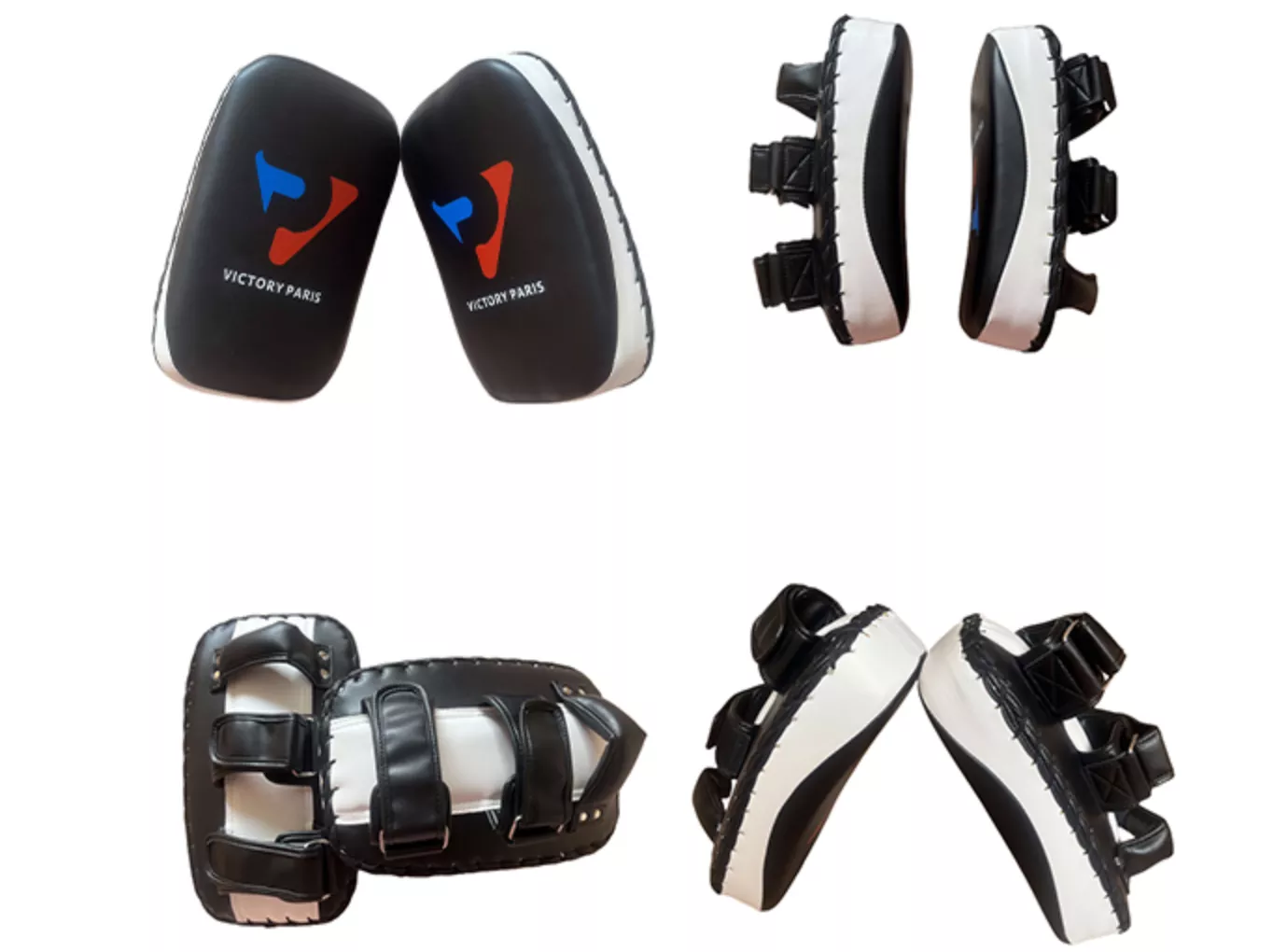
2. Thai Pads
Thick and heavy-duty, these pads handle full-power punches, knees and kicks. They shield the trainer’s arms and core during high-intensity striking drills. Coaches should keep the core engaged and avoid absorbing all force through the shoulders alone.
3. Body Shield
A large, sturdy training pad built to absorb full-force body shots. It protects the trainer’s chest and ribs while letting fighters practice clean, powerful body punches. Widely used in group classes and private coaching sessions.
Quick Reference Summary
- Professional Boxing: Only mouthguards and groin guards are compulsory for official fights.
- Amateur & Youth Boxing: Headguards and body protectors are required for safer training and competition.
- MMA, Muay Thai & Kickboxing: Fighters use standard boxing gear plus shin guards. Elbow and knee pads are added for specialised training scenarios.
Pandawin Sports reminds all athletes and coaches to inspect protective equipment regularly and replace any item that is deformed or worn to ensure maximum protection.