

How Can a Properly Fitted Karate Protector Reduce Movement Discomfort?
Discomfort in a karate protector is often blamed on the material, the padding, or the athlete's tolerance. In practice, most movement discomfort comes from fit. A protector that is one size too small restricts the range of the shoulder, the hip, or the knee. A protector that is one size too large slides during a kick, and the athlete compensates by tightening the straps, which creates pressure points. A protector that is the right length but the wrong width creates a gap at the side of the body, and the athlete feels exposed and hesitant. The fit is not a single measurement. It is a set of relationships between the body, the protector, and the movement pattern of the discipline. A properly fitted Karate Protector removes the friction, the sliding, the pressure, and the restriction that turn a training session into a discomfort management exercise.
This guide is written for procurement teams, club coaches, and distributors who are selecting Karate Protector products for training and competition. It explains what proper fit means, why poor fit causes discomfort during movement, how a fitted protector improves joint and muscle comfort, which design features matter most, and how buyers should verify fit before placing an order. The content is organized around the movement problem rather than the product catalogue, and it includes the parameters and documentation that a reliable supplier should provide. Our factory at Baoding Panda Win Trading Co., Ltd. produces Karate Protector ranges for different age groups and competition rules, and the guidance below reflects the fit and procurement questions we address with our customers.
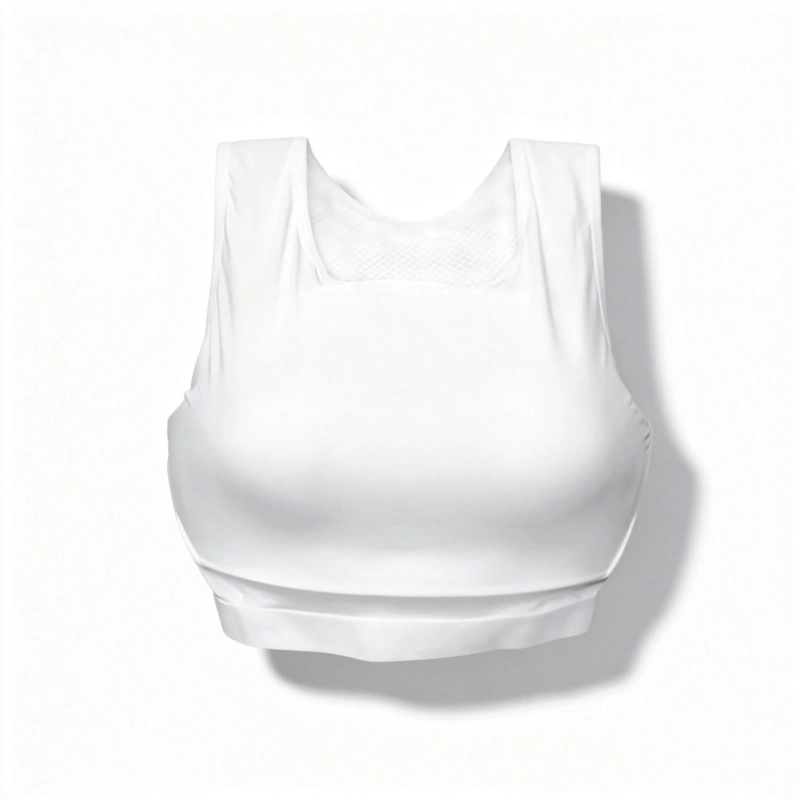
Table of Contents
- 1. What Does Proper Fit Actually Mean for a Karate Protector?
- 2. Why Does Poor Fit Cause Discomfort During Movement?
- 3. How Does a Fitted Protector Improve Joint and Muscle Comfort?
- 4. What Design Features Matter Most for Movement Comfort?
- 5. How Should Buyers Verify Fit Before Ordering?
- 6. Frequently Asked Questions (FAQ)
- 7. Conclusion
1. What Does Proper Fit Actually Mean for a Karate Protector?
Proper fit for a Karate Protector is a working definition that combines coverage, stability, and freedom of movement. Coverage means the protector covers the anatomical area required by the training or competition rules without leaving gaps at the edges. Stability means the protector stays in place during dynamic movement, including kicks, turns, and falls, without the athlete needing to adjust it. Freedom of movement means the protector does not restrict the range of motion of the joint it covers, and it does not create a hard stop at the end of the range. These three requirements are in tension. A larger protector improves coverage but can reduce freedom of movement. A tighter strap improves stability but can create pressure points. The fit is the balance point where all three are acceptable for the athlete's body and the discipline's movement pattern.
A common misconception is that fit is equivalent to size. Size is the starting point, but fit also depends on body shape, strap geometry, material stiffness, and the way the protector is worn over the uniform. Two athletes of the same height and weight may need different protector sizes because their torso length, shoulder width, or thigh circumference differs. The comparison below shows the difference between a size-only approach and a fit-based approach.
| Approach | What It Considers | What It Misses | Result |
| Size-only | Height, weight, age band | Body shape, strap path, movement range | Fit may be acceptable at rest, poor in motion |
| Fit-based | Circumference, length, strap path, movement test | Requires measurement and trial | Stable coverage with acceptable freedom |
The fit definition also depends on the protector type. A chest protector, a shin protector, a foot protector, a hand protector, and a groin protector each have a different fit criterion. The chest protector must follow the torso curve and leave the shoulders free. The shin protector must cover the tibia without pressing on the ankle. The hand protector must allow a closed fist without cutting into the wrist. The fit definition should therefore be stated per product type, not as a single rule for the whole range.
Our factory at Panda Win defines the fit criteria for each Karate Protector type before the pattern is developed. We use circumference measurements, length measurements, and a movement test to confirm that the pattern works on different body shapes. The goal is to provide a protector that fits the athlete in motion, not just on the size chart.
For a buyer, the practical implication is that the purchase order should specify the fit criteria, not just the size range. The supplier should provide the measurement points, the tolerance, and the recommended size selection method. A supplier that provides only a height and weight table is a supplier that is leaving the in-motion fit to chance.
2. Why Does Poor Fit Cause Discomfort During Movement?
Poor fit causes discomfort through four mechanisms: friction, sliding, pressure concentration, and range restriction. Each mechanism has a different cause and a different symptom, and each one can be traced to a specific fit error. The narrative below follows a single training session and identifies where each mechanism appears.
At the start of the session, the athlete warms up with a series of punches. The chest protector is slightly too wide at the shoulders, and the arm opening rubs against the upper arm on every punch. This is friction. The material is not the problem. The arm opening is the wrong shape for the athlete's shoulder width, and the repeated contact creates heat and skin irritation. A fitted arm opening follows the shoulder contour and moves with the arm rather than against it.
During the first kicking drill, the shin protector is slightly too short, and the top edge sits below the knee. On every kick, the protector slides down and the athlete pulls it back up. This is sliding. The strap is not positioned to resist the downward force, and the shell is not long enough to stay seated. A fitted shin protector extends to the correct height and uses a strap path that anchors the shell to the calf.
During partner work, the athlete wears a hand protector that is too tight across the knuckles. The pressure is concentrated at the base of the fingers, and the athlete cannot close the fist fully. This is pressure concentration. The protector is the wrong width for the hand, and the padding is compressed at the knuckles. A fitted hand protector distributes the pressure across the back of the hand and leaves the knuckle line free.
At the end of the session, the athlete performs a deep stance drill. The groin protector is too large, and the athlete feels a hard edge against the inner thigh. The athlete shortens the stance to avoid the pressure. This is range restriction. The protector is not shaped to follow the hip crease, and the edge interferes with the leg movement. A fitted groin protector follows the hip line and leaves the inner thigh free.
The table below maps the discomfort mechanism to the fit error and the symptom.
| Mechanism | Fit Error | Symptom During Movement | Design Correction |
| Friction | Wrong arm opening shape | Rubbing, heat, skin irritation | Contoured arm opening |
| Sliding | Wrong length or strap path | Protector moves, athlete adjusts | Correct length, anchored strap path |
| Pressure concentration | Wrong width or padding distribution | Local pain, limited fist closure | Wider shell, distributed padding |
| Range restriction | Wrong shape at hip or knee | Shortened stance, hesitant movement | Anatomical contour, flexible edge |
At Baoding Panda Win Trading Co., Ltd., our factory tests each Karate Protector pattern on athletes of different body shapes and records the discomfort location and the movement that triggers it. The test results are used to adjust the pattern before production. The goal is to eliminate the four mechanisms at the design stage, not to rely on the athlete to compensate with straps or posture.
For a buyer, the discomfort mechanism table is a useful evaluation tool. A sample that rubs, slides, concentrates pressure, or restricts range is a sample that will generate complaints, even if the size chart says it is correct. The procurement team should test the sample through the full movement pattern of the discipline before approving the order.
3. How Does a Fitted Protector Improve Joint and Muscle Comfort?
A fitted protector improves joint and muscle comfort through three mechanisms: stable coverage, distributed load, and reduced compensatory tension. Stable coverage means the protector stays over the joint through the full range of motion, so the athlete does not have to think about the protector during the technique. Distributed load means the impact and the pressure are spread over a larger area, so no single point is overloaded. Reduced compensatory tension means the athlete does not have to tighten the muscles around the joint to hold the protector in place, so the muscles can relax and perform the technique with less fatigue.
The mechanism comparison below shows the difference between a poorly fitted and a properly fitted protector during a front kick.
| Phase of the Kick | Poorly Fitted Protector | Properly Fitted Protector |
| Chamber | Protector edge presses on the thigh, athlete shortens the chamber | Protector follows the hip crease, full chamber |
| Extension | Protector slides down, athlete tightens the quadriceps to hold it | Protector stays seated, quadriceps relax |
| Impact | Pressure concentrated at the shin edge | Pressure distributed across the shin shell |
| Retraction | Protector catches on the uniform, athlete adjusts | Protector returns with the leg, no adjustment |
Two user scenarios illustrate the difference. In the first scenario, a teenage athlete wears a shin protector that is one size too small. The top edge sits below the knee, and the athlete feels the edge on every kick. The athlete begins to kick with a slightly bent leg to avoid the edge, and the technique becomes less effective. In the second scenario, the same athlete wears a fitted shin protector. The top edge sits at the correct height, the shell follows the shin, and the athlete kicks with a straight leg without thinking about the protector. The technique improves because the discomfort is removed.
The second scenario involves a mature athlete with a chest protector that is too large. The protector shifts during a turning technique, and the athlete tightens the shoulder muscles to hold it in place. The muscles fatigue early, and the athlete's guard drops in the later rounds. With a fitted chest protector, the shell follows the torso, the straps are anchored, and the athlete does not need to use muscle tension to keep the protector in place. The shoulder muscles remain relaxed, and the guard stays up.
Our factory at Baoding Panda Win Trading Co., Ltd. evaluates the joint and muscle comfort of each Karate Protector range with a movement test that includes chamber, extension, impact, and retraction. We record the athlete's feedback and the muscle tension observed by the coach. The goal is to confirm that the fitted protector reduces compensatory tension, not just the visible discomfort.
For a buyer, the joint and muscle comfort benefit should be included in the sample evaluation. A protector that feels comfortable at rest but causes compensatory tension during movement is not a good fit. The procurement team should ask the sample testers to describe what they had to do to keep the protector in place. If the answer is "nothing", the fit is working. If the answer is "I tightened my muscles", the fit needs adjustment.
4. What Design Features Matter Most for Movement Comfort?
The design features that matter most for movement comfort are the shell shape, the strap geometry, the material stiffness, the padding distribution, the ventilation, and the edge finish. Each feature affects one or more of the discomfort mechanisms described earlier. The feature matrix below ranks the features by their impact on movement comfort and identifies the fit parameter that should be specified in the purchase order.
| Design Feature | Impact on Movement Comfort | Fit Parameter to Specify | Common Failure |
| Shell shape | High | Anatomical contour, coverage length | Flat shell that does not follow the body |
| Strap geometry | High | Anchor points, strap width, adjustment range | Single strap that allows the shell to slide |
| Material stiffness | Moderate | Flex modulus, thickness | Too stiff at the joint crease |
| Padding distribution | Moderate | Padding thickness map, coverage area | Padding concentrated at the center, thin at edges |
| Ventilation | Moderate | Perforation pattern, liner material | No airflow, heat buildup under the shell |
| Edge finish | Low to moderate | Edge radius, binding type | Sharp edge that catches the uniform |
The shell shape is the highest-impact feature because it determines whether the protector follows the body at rest and in motion. A flat shell that is shaped like a rectangle will not follow the torso curve or the shin curve, and it will create gaps at the sides and pressure at the center. An anatomical shell follows the body and distributes the load. The strap geometry is the second highest-impact feature because it determines whether the shell stays in place. A single strap around the limb allows the shell to rotate. A two-strap system with one strap above the joint and one below the joint anchors the shell and resists rotation.
The material stiffness and the padding distribution work together. A shell that is too stiff at the joint crease will restrict the range of motion. A shell that is too soft will not protect the joint. The correct stiffness depends on the protector type and the impact level. The padding distribution determines where the impact load is absorbed. A padding map that is thick at the center and thin at the edges will concentrate the load at the center. A padding map that is more uniform will distribute the load.
The ventilation and the edge finish are secondary features, but they become important in long training sessions. A protector without ventilation traps heat, and the athlete becomes uncomfortable even if the fit is correct. An edge that is sharp or poorly bound catches the uniform and creates a pulling sensation. Our factory at Baoding Panda Win Trading Co., Ltd. specifies the ventilation pattern and the edge radius for each Karate Protector model, and we test the comfort in a 90-minute training session. The goal is to provide a protector that remains comfortable after the warm-up, not just at the first fitting.
For a buyer, the feature matrix is a prioritization tool. The shell shape and the strap geometry should be reviewed first, because they determine the in-motion fit. The material stiffness and the padding distribution should be reviewed second, because they determine the protection and the range of motion. The ventilation and the edge finish should be reviewed third, because they determine the long-session comfort. The procurement specification should state the priority order, so that the supplier knows which features cannot be compromised for cost.
5. How Should Buyers Verify Fit Before Ordering?
Buyers should verify fit through a measurement protocol, a trial protocol, and a supplier documentation check. The measurement protocol defines the body dimensions and the size selection method. The trial protocol defines the movement test and the comfort scoring. The documentation check confirms that the supplier has the pattern data and the quality control to reproduce the fit in production. The verification workflow below lists the steps in order.
| Verification Step | Action | Acceptance Criterion | Supplier Evidence |
| 1. Measurement protocol | Measure circumference and length at defined points | Measurements match the supplier size chart | Size chart with measurement points |
| 2. Size selection | Select the size using the supplier method | Selected size matches the trial sample | Size selection guide |
| 3. Static trial | Wear the sample at rest and check coverage | No gaps, no pressure points | Sample availability |
| 4. Movement trial | Perform chamber, extension, impact, retraction | No sliding, no compensatory tension | Movement test protocol |
| 5. Long-session trial | Wear for 60 to 90 minutes | No heat buildup, no edge irritation | Ventilation and edge data |
| 6. Documentation check | Review pattern and quality control data | Fit is reproducible in production | Pattern tolerance and inspection plan |
The movement trial is the step that most buyers skip, and it is the step that reveals the in-motion fit. The trial should include the movements that the athlete performs in training: the chamber, the extension, the impact, and the retraction. The trial should be observed by a coach or a fitter, and the athlete should be asked to describe any adjustment or muscle tension. A protector that passes the static trial but fails the movement trial is not a good fit, even if the size chart says it is correct.
The long-session trial is the step that reveals the secondary discomfort mechanisms. A protector that is comfortable for five minutes may become uncomfortable after sixty minutes because of heat buildup or edge friction. The trial should be performed in the uniform and in the training environment, not in a fitting room. Our factory at Baoding Panda Win Trading Co., Ltd. provides sample sets for the movement trial and the long-session trial, and we ask our customers to record the comfort score at the end of the session. The goal is to confirm that the fit works in the real training condition.
The documentation check is the step that confirms reproducibility. A sample that fits well but cannot be reproduced in production is not a reliable procurement. The supplier should provide the pattern tolerance, the inspection plan, and the quality control records for the Karate Protector. The procurement team should confirm that the production units will match the sample within the stated tolerance. A supplier that cannot provide the pattern documentation is a supplier that is relying on the sample alone.
6. Frequently Asked Questions (FAQ)
Question 1: How do I know if a karate protector is properly fitted?
Answer: A properly fitted Karate Protector covers the required area without gaps, stays in place during chamber, extension, impact, and retraction, and does not require the athlete to tighten muscles or adjust the protector during the technique. The static fit should be comfortable at rest, and the in-motion fit should be stable without compensatory tension. A movement trial and a long-session trial are the best way to confirm the fit before purchase.
Question 2: What happens if a karate protector is too tight?
Answer: A protector that is too tight creates pressure concentration at the edges and the strap anchor points, restricts the range of motion at the joint crease, and reduces blood flow during long sessions. The athlete may shorten the stance or alter the technique to avoid the pressure. Over time, the pressure can cause skin irritation and muscle fatigue. The correct fit distributes the pressure over a larger area and leaves the joint crease free.
Question 3: What happens if a karate protector is too loose?
Answer: A protector that is too loose slides during movement, and the athlete compensates by tightening the straps or using muscle tension to hold it in place. The sliding creates friction and inconsistent coverage, and the compensatory tension reduces performance and increases fatigue. A loose protector also leaves gaps at the edges, which reduces the protection and makes the athlete hesitant during impact techniques.
Question 4: Can adjustable straps fix a poorly sized karate protector?
Answer: Adjustable straps can improve the stability of a protector that is close to the correct size, but they cannot correct a shell that is the wrong shape or the wrong length. If the shell is too short, tightening the strap will not extend the coverage. If the shell is the wrong contour, tightening the strap will create pressure points. The shell shape and the strap geometry must both be correct for the fit to work in motion.
Question 5: Do children and adults need different fit criteria for a karate protector?
Answer: Yes. Children have different body proportions, a smaller joint circumference, and a different movement pattern. A protector that fits an adult may be too long or too wide for a child, even if the height matches. The fit criteria for children should include a shorter shell, a narrower strap, and a softer edge. The supplier should provide a separate size chart and fit guide for the youth range, and the buyer should trial the youth sample on children of different ages.
7. Conclusion
A properly fitted Karate Protector reduces movement discomfort by removing the four mechanisms that cause it: friction, sliding, pressure concentration, and range restriction. The fit is not a single size. It is a set of relationships between the shell shape, the strap geometry, the material stiffness, the padding distribution, and the athlete's body and movement pattern. For procurement teams, the verification should include a measurement protocol, a movement trial, a long-session trial, and a documentation check. Our factory at Baoding Panda Win Trading Co., Ltd. designs Karate Protector ranges with the fit criteria for each product type and provides the size charts, samples, and pattern documentation that buyers need to confirm the fit before ordering. If you are sourcing karate protectors for a club, a retail chain, or a competition program, contact our team to discuss the fit requirements and to request the sample and documentation for your target athletes.
Contact Baoding Panda Win Trading Co., Ltd. today to discuss your Karate Protector requirements and to request the fit data and samples for your athlete group.
Previous:No News